Securing a dependable pest control service Houston homeowners can rely on requires targeted perimeter chemistry, non-repellent termiticides, and physical structural exclusion engineered specifically for subtropical coastal plains. Residential and commercial foundations throughout Harris County encounter continuous biological pressure from subterranean termites foraging through vertisol clays, American cockroaches navigating municipal drainage systems, roof rats nesting in elevated attic spaces, and severe seasonal mosquito reproduction along local bayou corridors.
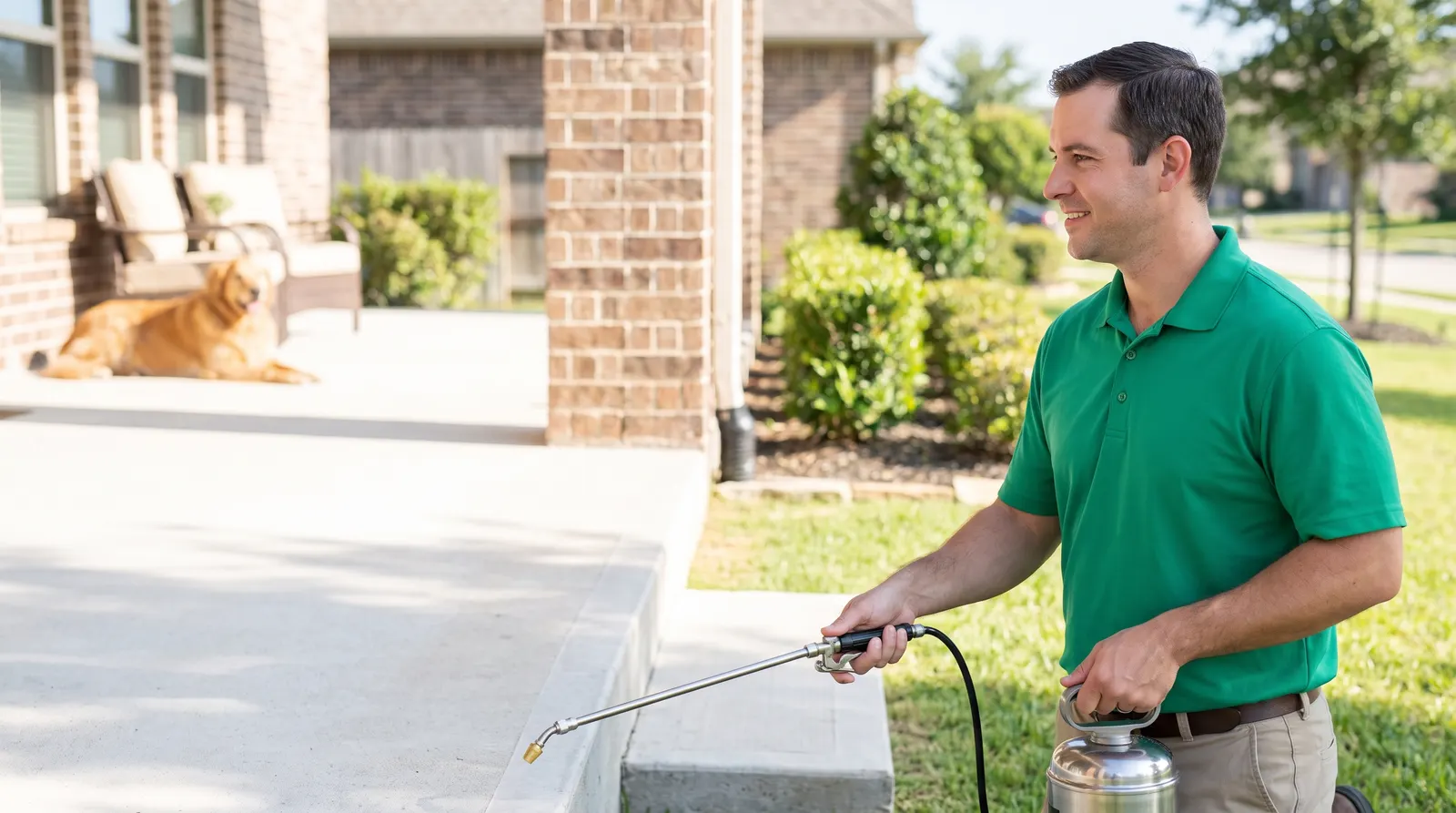
Pest Control Service in Houston is a specialized environmental management and extermination discipline engineered to eliminate active insect and rodent infestations while fortifying structural perimeters against Gulf Coast humidity and flood-driven pest migration.
Every service reflects the same meticulous attention to detail — whether it's a single job or a larger pest control service project across Houston.
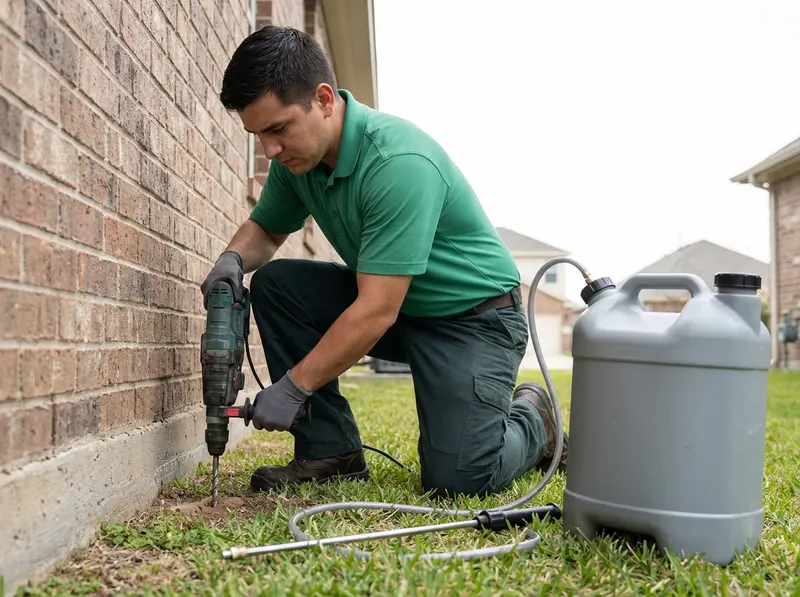
Subterranean termite defense provides liquid termiticide perimeter trenching and high-pressure sub-slab foundation injection to intercept foraging colonies navigating moist clay soils. Technicians apply non-repellent active chemistries that binding to structural soil particles, allowing foraging termites to unknowingly transfer the lethal compound throughout the central nest. The service includes detailed mud tube removal, foundation perimeter trenching, patio and garage expansion joint drilling, and comprehensive wood moisture mapping to permanently arrest structural cellulose destruction.
View details →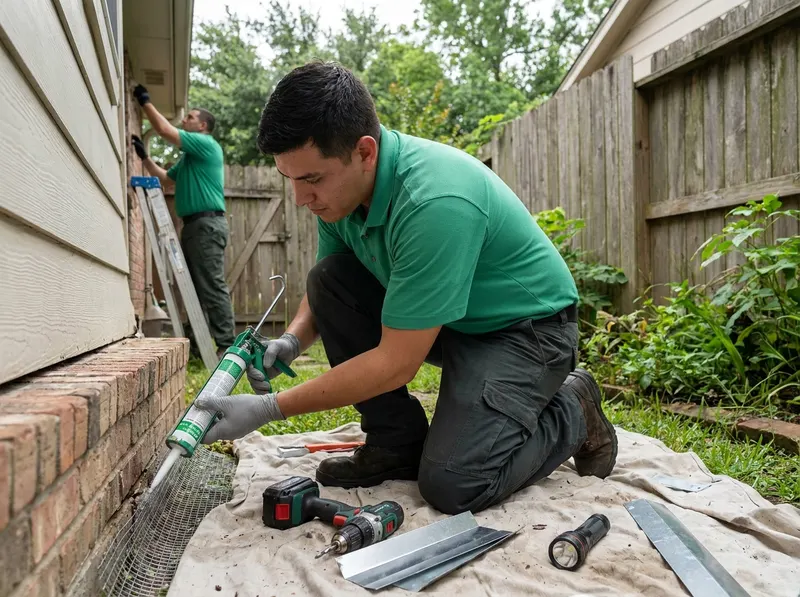
Residential rodent exclusion stops roof rats, Norway rats, and mice by sealing vulnerable architectural entry points across foundations and rooflines. Technicians inspect roof returns, fascia gaps, soffit vents, attic ridge caps, AC line chaseways, and brick weep holes, securing every gap larger than one-quarter inch using heavy-duty 23-gauge galvanized steel mesh, silicone elastomeric sealants, and expanding structural foam. The protocol integrates interior attic trapping, snap-trap arrays, and sanitary waste clearing to ensure zero rodent re-entry.
View details →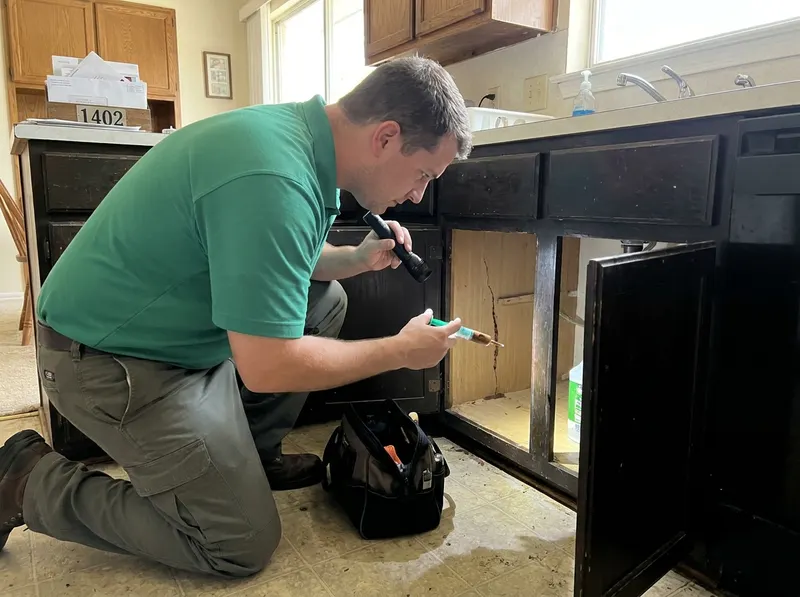
Cockroach eradication protocols combine insect growth regulators (IGRs), non-repellent contact concentrates, and targeted gel matrix baits to collapse active populations of German, American, and Oriental cockroaches. Specialists apply micro-dosed bait placements inside cabinetry hinges, under counter lip recesses, along appliance motor housings, and within bathroom plumbing access voids. The chemical formulation inhibits chitin synthesis in nymphs, preventing molting and reproducing, while eliminating adult roaches hiding deep within structural wall voids.
View details →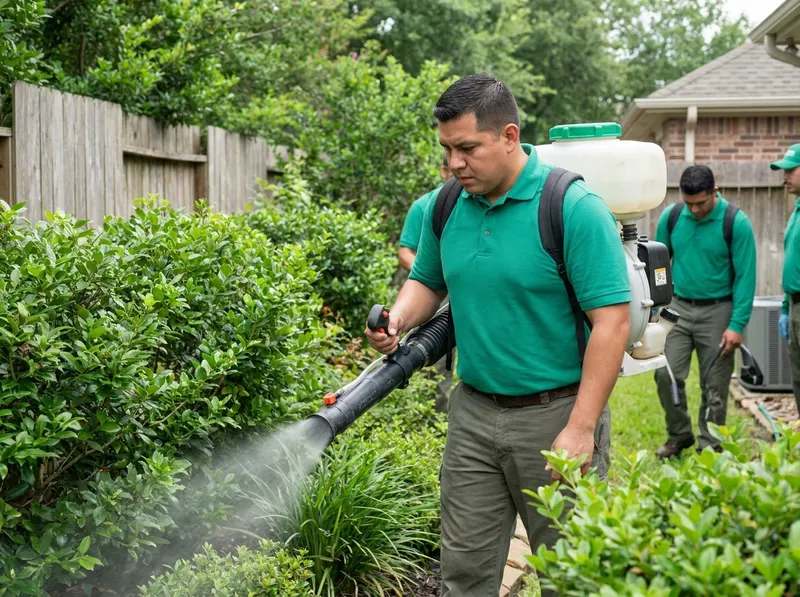
Mosquito reduction combines precision backpack fogging of dense ornamental foliage with biological larvicide briquettes in stagnant water collection zones. Treatment targets the undersides of broadleaf shrubs, shaded fence lines, groundcover beds, and under-deck voids where adult mosquitoes seek shelter during peak daytime heat. Larvicide applications use target-specific BTI bacteria to destroy mosquito larvae in French drains, bird baths, and uncleaned gutters before they transition into biting adults.
View details →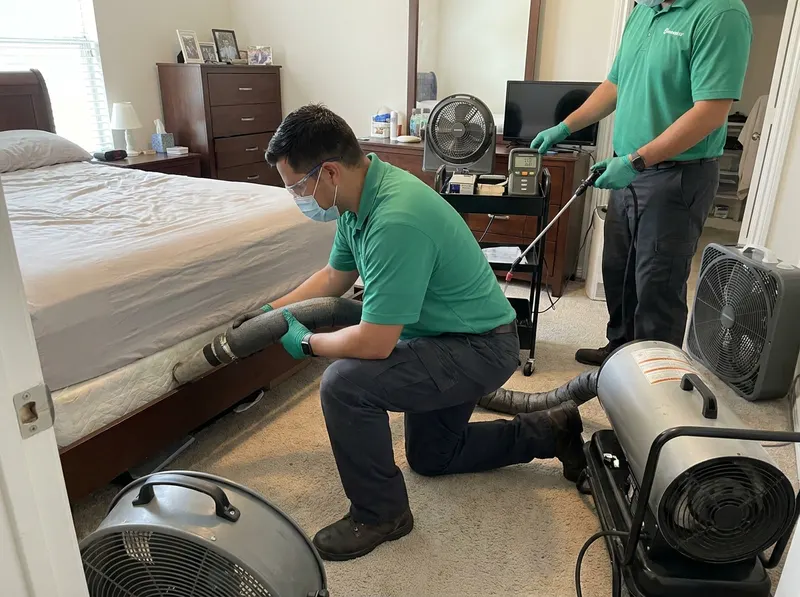
Bed bug eradication integrates localized thermal heat spot applications, microencapsulated residual contact insecticides, and amorphous silica desiccant dusts across infested sleeping and lounging quarters. Technicians methodically treat mattress seams, box spring interiors, bed frames, baseboard crevices, behind electrical switch plates, and inside upholstered furniture seams. The multi-layered approach destroys insecticide-resistant bed bug strains and viable eggs, breaking the reproductive lifecycle without damaging interior home furnishings.
View details →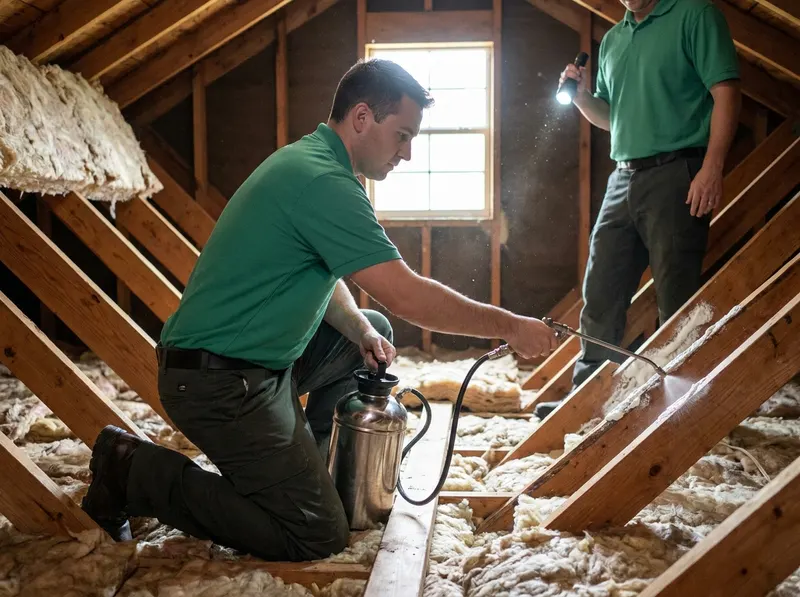
Attic sanitation restores contaminated roof cavities by removing urine-saturated, rodent-damaged insulation, clearing biological droppings, and neutralizing hazardous pheromones. Technicians use commercial negative-pressure HEPA vacuum systems to extract contaminated cellulose or fiberglass without dispersing particulate pathogens into interior living quarters. Exposed attic joists and ceiling drywall are treated with hospital-grade enzyme deodorizers and virucidal sprays before fresh, pest-deterrent thermal insulation is blown into the structural void.
View details →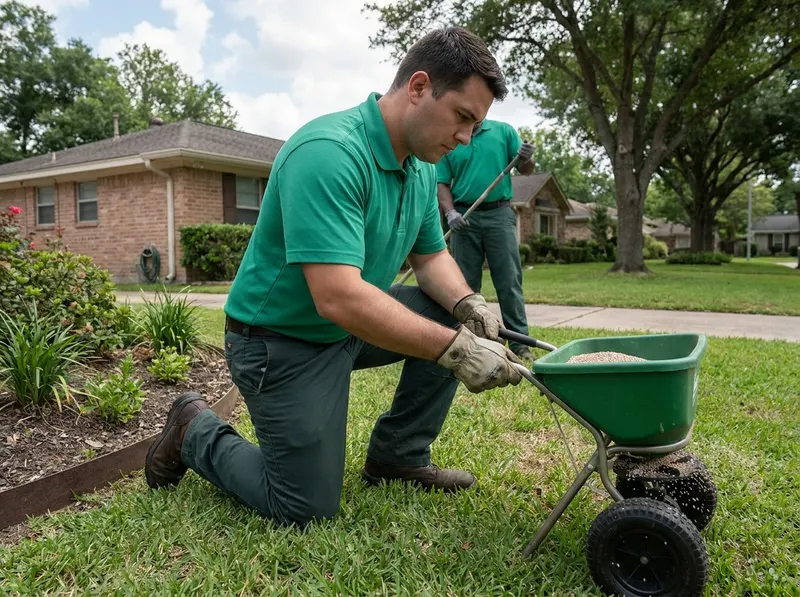
Fire ant management suppresses aggressive imported red fire ant colonies through broadcast applications of granular insect growth regulators paired with high-volume liquid mound drenches. Broad-area broadcast treatments distribute slow-acting juvenile hormone mimics that foraging worker ants carry deep into subterranean galleries to feed the queen, halting egg production and causing colony collapse. Targeted mound treatments deliver immediate contact knockdown around play sets, patios, walkways, and turf zones.
View details →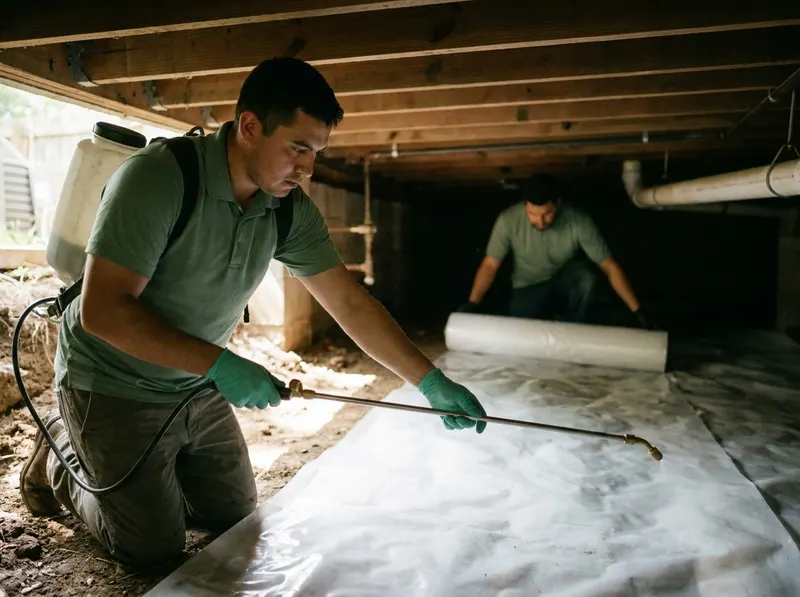
Crawlspace pest management addresses the damp underfloor environments common in historic pier-and-beam residences. Technicians clear pest-attracting structural debris, treat damp perimeter soil with long-lasting granular insecticides, apply borate solutions to exposed subfloor timbers against wood-boring beetles and decay fungi, and secure groundcover vapor barriers. Crawlspace foundation vents are retrofitted with heavy-gauge galvanized screening to permanently block wildlife, rodents, and burrowing insects from nesting beneath the subfloor.
View details →Pest Control Service in Houston is a specialized environmental management and extermination discipline engineered to eliminate active insect and rodent infestations while fortifying structural perimeters against Gulf Coast humidity and flood-driven pest migration.
You get a firm, itemized quote for your pest control service before any work begins — no surprises, no pressure.
Careful prep, tidy work, and a full cleanup when we are done. We treat your home and belongings like our own.
The same trusted, background-checked team from the first call to the final check.
Selecting the most effective pest eradication protocol across Houston requires evaluating your specific foundation architecture, surrounding soil moisture dynamics, and the target species' nesting biology. Monolithic slab foundations, raised pier-and-beam cottages, and multi-story brick facades interact differently with local pest vectors, demanding distinct chemical formulations and mechanical exclusion techniques. If your property exhibits active subterranean termite mud tubes along foundation stem walls, slab expansion seams, or exposed baseboards, choose a continuous exterior liquid termiticide soil barrier using non-repellent active ingredients like fipronil; if you are confronting localized drywood termite colonies inside attic rafters, fascia boards, or window casings, choose precision structural wood injection with borate-based or pyrethroid foam formulations. The trade-off is structural access and volume: exterior soil barriers require continuous trenching and concrete drilling along the entire perimeter footprint to deliver broad subterranean protection, whereas direct wood injection demands meticulous interior and attic localization to neutralize isolated structural colonies without treating exterior ground soil. If nocturnal attic noises, gnawed wiring, or droppings indicate an active roof rat or house mouse infestation, choose a comprehensive multi-point mechanical exclusion protocol paired with targeted interior trapping; if you are managing foraging wild rodents attracted to exterior fruit trees, compost piles, and bayou greenbelts, choose tamper-resistant exterior perimeter bait stations loaded with first- or second-generation anticoagulant rodenticides. The trade-off centers on physical labor versus ongoing monitoring: mechanical exclusion requires comprehensive ladder work to seal every ridge cap, soffit gap, gable vent, and brick weep screed above ground level to permanently isolate your living envelope, whereas exterior baiting stations require periodic inspection, rebaiting, and sanitization to manage outdoor rodent pressure without altering the structural exterior. When treating severe cockroach populations, if large American or smokey brown cockroaches are entering living areas from foundation perimeters, garden mulch beds, or crawlspaces following rainstorms, choose residual microencapsulated barrier sprays and outdoor granular baits; if German cockroaches are infesting kitchen cabinets, electrical junction boxes, and plumbing voids behind appliances, choose precision crack-and-crevice bait gels integrated with insect growth regulators. The trade-off involves application scope and food-safety hygiene: exterior barrier treatments protect the outer envelope against opportunistic outdoor invaders, while interior baiting requires meticulous sanitation, zero competitive food sources, and micro-dose placement directly inside appliance housings to systematically break the German cockroach reproductive cycle without airborne chemical drift. For outdoor biting insect relief, if standing water along sluggish swales, French drains, and landscape low points generates heavy mosquito breeding, choose biological larvicides containing Bacillus thuringiensis israelensis (BTI); if adult mosquitoes are resting within dense understory shrubbery, broadleaf plantings, and shaded patio eaves, choose automated residual micro-droplet misting applications. The trade-off is lifecycle focus: biological larvicides neutralize aquatic larvae before they emerge as biting adults without impacting non-target insects, while adulticide foliage treatments deliver fast knockdown of resting adult populations across outdoor entertainment zones but require reapplication following heavy tropical storms.
Every project gets a firm, written price after a free on-site visit. Ranges below for orientation.
Tell us about your pest control service job and we'll send a clear, written quote — usually the same day. Or just call and talk to a real Houston pro.
(346) 699-5650
Houston's unique geographic position along the upper Gulf Coast coastal plain creates an environment where extreme humidity, flat topography, and extensive riparian bayou corridors converge to drive persistent pest reproduction. Massive natural drainage systems—including Buffalo Bayou, White Oak Bayou, Brays Bayou, and the San Jacinto River basin—maintain high water tables and saturate subterranean soils. This constant moisture level sustains dense populations of subterranean termites, American cockroaches (locally known as palmetto bugs or sewer roaches), and native roof rats across Harris County. Structural pest dynamics are further intensified by the region's expansive vertisol clay soils, which undergo severe shrink-swell cycles throughout the year. During wet spring periods and tropical rainstorms, the clay soil expands dramatically, putting heavy hydrostatic pressure against foundation stem walls and slab perimeters. Conversely, sustained summer heat waves with temperatures exceeding 95°F cause soil shrinkage, pulling dirt away from foundation edges and opening deep sub-slab fissures. These subterranean gaps allow subterranean termites direct, unhindered access to concrete expansion joints, plumbing penetrations, and structural sill plates. Concurrently, drying surface soil drives burrowing insects and rodents toward the conditioned moisture envelopes of residential foundations. Architectural variations across Houston's established neighborhoods create specific structural vulnerabilities that generic pest protocols fail to address. Historic pier-and-beam bungalows in the Houston Heights and Montrose often feature damp, shaded crawlspaces prone to wood-destroying beetles, subterranean moisture termites, and rodent nesting beneath historic wood floors. In contrast, slab-on-grade estate homes in Memorial, River Oaks, and Oak Forest experience roof rat migrations through expansive mature pine and live oak canopies that overhang complex rooflines, multi-level valleys, and decorative soffits. Southern and eastern communities like Meyerland, Clear Lake, and Kingwood encounter heightened flood displacements following severe localized rain events, forcing outdoor sewer roaches and rodents out of municipal drainage lines and upward into brick weep holes, garage thresholds, and attic soffits. Defending these distinct structural styles demands customized perimeter chemistry, resilient microencapsulation that will not wash out in heavy downpours, and physical mechanical exclusion calibrated for local architectural construction.
Free estimates for Houston & the surrounding area.
 Selnova Pest Defense Company